
Good home design is not about following every trend. It is about rooms that feel calm, work for the way you live and are easy to keep looking good. This guide covers the decisions that make the biggest difference – layout, furniture, colour, lighting, bedding and textiles, flooring, plants and outdoor spaces – with links to our detailed guides on each.
Quick answer: Start with how each room is used, plan the layout and storage before buying anything, choose a simple colour palette of two or three main shades, layer your lighting, and invest in the pieces you touch every day: your bed, your sofa and your flooring. Plants, textiles and a few personal pieces then make the space feel like yours.
Start with layout and space planning
Measure each room, mark doors, windows and sockets, and keep clear walkways of at least 80–90 cm. Decide what every room must do before choosing a style. Our space planning tips for bedrooms show how to get more from a small room, and child-friendly conservatory ideas show how to design for family life.
Furniture: choosing pieces that last
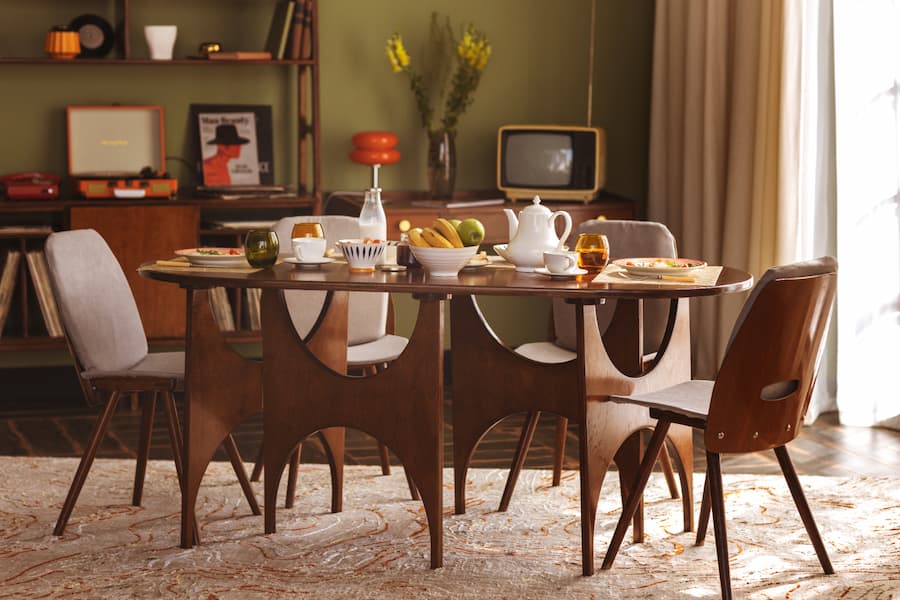
Buy the pieces you use most – bed, sofa, dining table – for comfort and durability first, and style second. Mixing old and new adds character; a vintage table can sit happily with modern chairs.
- Furniture trends: what is in and what is out
- How to use vintage dining furniture in a modern home
- How armchair design has evolved
- Electric recliner sofas worth considering
- Shelf and mirror combinations for small spaces
- What to look for in custom mirrors
Colour and kitchen design
A simple rule is 60-30-10: a main colour for most surfaces, a secondary colour for larger furniture or cabinets, and an accent for details. Test paint samples in both daylight and evening light before committing. Kitchens deserve extra planning because layout affects everyday use; see a guide to stylish, functional kitchen design and bold colour combinations that work in kitchens.
Lighting
Every room needs three layers: ambient light for general use, task light for reading, cooking or work, and accent light for mood. Warm white bulbs (around 2700–3000K) suit living spaces; cooler light suits kitchens and workspaces. For decorative ideas see styling with a white lamp shade and lava lamp designs for a retro touch.
Window treatments
Blinds and curtains control light, privacy and heat loss. Roller blinds are neat and practical for kitchens and bathrooms; lined curtains add warmth and softness to living rooms and bedrooms. Read how to choose roller blinds for uPVC windows.
Bedrooms, bedding and textiles
Sleep quality depends heavily on your mattress, pillows and bedding. Natural fibres such as cotton breathe well in warm weather, while brushed cotton (flannelette) is cosier in winter. Textiles – throws, cushions, rugs and curtains – are also the cheapest way to change the feel of a room.
- Flannelette vs cotton sheets
- Duvet covers for a cosy, stylish bedroom
- Essential household linen every home needs
- Why home textiles matter
- Who benefits from pressure-relief bedding
Flooring
Flooring takes the most wear in a home and influences resale value. Engineered wood and quality luxury vinyl suit busy family homes; tiles work best in kitchens and bathrooms; carpet adds warmth in bedrooms. See whether the right flooring can boost resale value.
Bringing nature indoors
Houseplants soften a room and many tolerate low light. Choose plants to suit the light you actually have, not the light you wish you had. Start with the best plants for brightening a living room.
Gardens, landscaping and outdoor living
A well-planned garden adds usable space and kerb appeal. Low-maintenance planting, good drainage and healthy soil matter more than expensive features.
- Low-maintenance landscaping ideas
- Why landscape design affects resale value
- Why soil composition matters
- When trees need expert care
- Building a garden shed with a fire pit
- Choosing the right garden shed
Pools and ponds
Pools and ponds need regular care to stay clean and safe. See how to extend the life of your pool, pool cover care, the ideal air temperature for a pool, butyl pond liners and adding koi to your pond.
Wellness spaces
Home saunas and relaxation corners are growing in popularity. Read about buying an infrared home sauna.
For heating, plumbing, roofing and other practical upkeep, see our home maintenance and repair guide.
More articles
- How to Choose the Perfect Dresser for Your Bedroom Layout
- How to Style Curtains Like a Pro – Simple Secrets for a Breathtaking Home
- Design a Coastal-Inspired Home with the Help of an Interior Design Company in Dubai
Frequently asked questions
How do I choose a colour scheme for my home?
Pick two or three main colours and use them in a 60-30-10 balance across walls, larger furniture and accents. Test samples on the wall and look at them at different times of day.
What should I spend the most money on when furnishing?
Prioritise the items you use every day: your mattress, your sofa and your flooring. Decorative pieces are easier to change later.
How can I make a small room feel bigger?
Use light colours, mirrors opposite windows, furniture with visible legs, and built-in storage to keep surfaces clear.
Which houseplants are easiest to keep alive?
Snake plants, ZZ plants, pothos and spider plants are generally forgiving and cope with lower light and irregular watering.
