
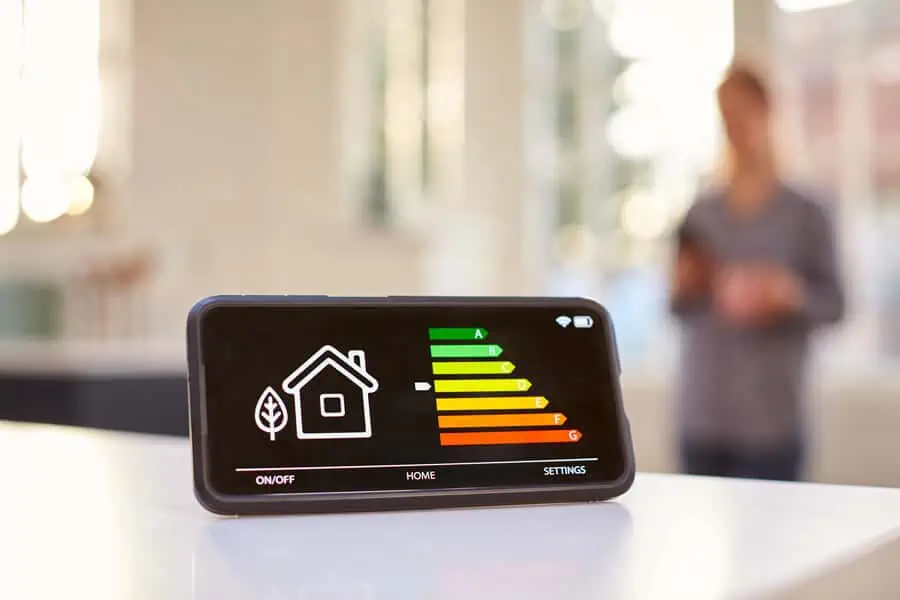
A home is the biggest thing most people ever buy, and it needs regular care to stay safe, comfortable and affordable to run. This guide covers the main systems in a house – heating and cooling, plumbing, roof and windows, pests, energy and electrics – with clear advice on what you can check yourself, what needs a professional, and how to avoid the expensive repairs that come from small problems being ignored.
Quick answer: Service your boiler or HVAC system once a year, clear gutters and drains before the wet season, check the roof and windows after storms, deal with damp and pests at the first sign, and keep a simple maintenance calendar. Call a licensed professional for gas, major electrical, structural and roofing work. Small, regular checks cost far less than emergency repairs.
A simple home maintenance calendar
| When | What to check |
|---|---|
| Monthly | Smoke and CO alarms, visible leaks under sinks, HVAC filters, drains running freely |
| Spring | Roof and gutters after winter, air conditioning before the heat, outdoor taps, pest signs |
| Summer | Pool and garden irrigation, window and door seals, fridge and freezer coils |
| Autumn | Boiler or furnace service, gutter clearing, draught-proofing, chimney and stove checks |
| Winter | Pipe insulation, condensation and damp, heating efficiency, storm damage |
Heating, cooling and air quality
Heating and cooling are usually the largest energy costs in a home, so keeping them efficient pays back quickly.
Boilers and radiators
An annual service keeps a boiler safe and efficient, and an older or back boiler can waste a large share of the fuel it burns. Read about saving energy with better boiler ratings, why replacing a back boiler makes sense and whether you qualify for a free boiler upgrade under UK energy schemes. If you are choosing new radiators, see whether column radiators are efficient.
Air conditioning and HVAC
Clean or replace filters regularly, keep outdoor units clear of leaves, and book a service before peak season. Warning signs include weak airflow, strange noises, ice on pipes and rising bills. Useful reads: why your AC and furnace may run at the same time, how a chilled water aircon system works, when an AC needs a gas top-up and how energy-efficient HVAC systems cut costs.
Air quality
Ventilation, low humidity and clean filters reduce allergens and mould. See how long to run an air purifier.
Plumbing and drains
Most plumbing damage comes from slow leaks and blockages that were noticed late. Know where your main stop valve is, never pour fat down the sink, and act quickly on damp patches, low pressure or gurgling drains.
- Common plumbing problems and when to call a plumber
- What to do when a plumbing disaster strikes
- How to clear a blocked kitchen sink
- What fixing a blocked drain usually costs
- How high-pressure water jetting clears pipes
- Water-saving features for a bathroom refit
Roof, gutters, windows and doors
The outside of a house keeps water out. Inspect the roof from the ground after storms, clear gutters at least twice a year, and fix failed window seals before they let in damp.
- Choosing a gutter cleaning service
- How to compare roofing options and contractors
- Why blown double-glazed windows should be fixed
- The pros of PVC and uPVC doors
Pest control
Pests follow food, water and shelter. Seal gaps, store food in closed containers, fix leaks and keep the garden tidy near the walls. Regular inspections catch infestations early, when treatment is easier.
- Why regular pest inspections matter
- What attracts rats and how to keep them away
- How bed bug treatment works
Energy, solar and lower bills
Insulation, draught-proofing and efficient heating usually give the fastest savings. Solar panels can then cut bills further where the roof and local incentives suit them. Start with the smart homeowner’s guide to lowering utility bills, then read about why more homeowners are switching to solar and why solar permits matter when you sell.
Electrics, lighting and smart homes
Electrical work beyond changing a bulb or plug should be done by a qualified electrician. Upgrading old wiring improves safety, and efficient LED lighting and smart devices can make a home cheaper to run and more secure.
- Modernising a home with an electrical remodel
- Choosing LED bulbs for your home
- Smart devices every home should have
- How secure is your home?
- When to call a locksmith
Appliances
As a rule of thumb, if a repair costs more than half the price of a new appliance and the machine is near the end of its typical life, replacement is often better value. See when to repair or replace home appliances and how to make your fridge last longer.
Renovations, extensions and structure
Before a big project, check planning rules, get several written quotes and make sure contractors are insured. For older homes or before buying, a survey can reveal problems hidden behind walls.
- Types of home extensions and which is right for you
- Why a pre-purchase building inspection is worth it
- Choosing drywall for a renovation
- Choosing and caring for kitchen countertops
- Building a long-lasting retaining wall
- What stamped concrete costs
- Handyman or specialist: who to call
For the design side of a home – furniture, colour, bedding, gardens and pools – see our home design and decor guide.
More articles
- Water Damage in the Kitchen? Here’s How to Keep It Under Control
- Why 48V LED Strip Lights Are the Best Choice for Large-Scale Projects?
- The Importance of Electrical Safety Checks for Every Property
- AHS Home Warranty Reviews: A Deep Dive into Coverage, Cost, and Claims
- How Latest Trends in New Boiler Schemes Are Impacting Your Home’s EPC
- Taming Your Workshop with the Delta WD09701 Bench Grinder: A Complete Guide to Precision and Power
Frequently asked questions
How often should a boiler or furnace be serviced?
Once a year is the usual recommendation, ideally before the heating season. Servicing keeps the system safe and efficient and is often required to keep a warranty valid.
How often should gutters be cleaned?
At least twice a year, typically in late spring and autumn, and more often if there are overhanging trees.
What home repairs should not be done DIY?
Gas work, most electrical work, structural changes and roof repairs at height should be left to qualified professionals for safety and legal reasons.
What is the cheapest way to cut energy bills?
Draught-proofing, topping up loft insulation, servicing your heating and switching to LED lighting usually give the quickest savings for the money spent.
