
Introduction
The 1950s were a time of rebuilding and innovation in Britain, especially after the devastation of World War II. As industries grew, so did the need for more efficient ways to move heavy materials. Enter the 1950s British telehandler forklift—a piece of equipment that didn’t just move pallets but reshaped how materials were handled across various sectors. This article takes a deep dive into the history of this iconic machine, exploring its impact on industries and how it paved the way for modern material handling technologies.
The Post-War Context
Rebuilding Britain
After World War II, Britain found itself in dire need of reconstruction. Cities had been bombed, industries were struggling, and the workforce was depleted. This meant that there was a growing demand for machines that could help speed up the recovery process. Manufacturing, construction, and logistics industries were particularly hit hard, and they needed equipment that could handle heavy lifting more efficiently than traditional manual labor.
This was the perfect environment for innovation. Although forklifts had existed since the early 20th century, they were limited in their capabilities. A versatile machine that could lift, transport, and place materials at different heights was needed. That’s where the 1950s British telehandler forklift entered the picture.
Why Forklifts Were Crucial
During this period, forklifts were a lifeline to many industries. Factories and warehouses required a reliable means of moving large amounts of goods quickly and safely. Forklifts, with their ability to lift heavy loads, became indispensable. But the introduction of the telehandler forklift added an entirely new level of functionality.
Unlike traditional forklifts, telehandlers could extend their arm horizontally and vertically, making them useful for stacking materials in hard-to-reach places. The 1950s British telehandler forklift became particularly popular because it combined strength with adaptability—perfect for the complex post-war rebuilding process.
What Made the 1950s British Telehandler Forklift Unique?
Versatility: More Than Just a Forklift
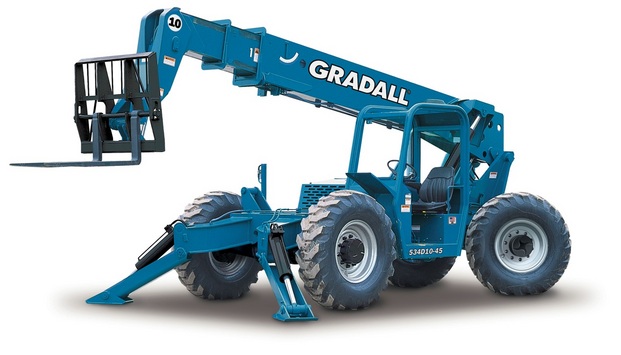
One of the standout features of the 1950s British telehandler forklift was its versatility. Standard forklifts were primarily limited to lifting materials directly in front of them. In contrast, the telehandler’s telescopic boom allowed operators to reach over obstacles and place loads in high or awkward places. This adaptability meant it was used in a variety of environments:
- Construction Sites: Telehandlers helped with building projects by lifting materials to higher levels, which was essential for new construction and rebuilding damaged structures.
- Agriculture: Farmers used telehandlers to transport hay bales and other heavy agricultural materials over uneven terrain.
- Warehousing: In large warehouses, the ability to stack goods at different heights without needing to move the machine constantly was a game-changer.
Robust British Engineering
The British telehandler forklift of the 1950s was known for its durability. Built from high-quality British steel and equipped with powerful engines, these machines were designed to withstand the rigorous demands of industrial use. British manufacturers, like Coventry Climax, played a crucial role in developing forklifts and telehandlers that were ahead of their time. While American manufacturers were also innovating, British engineering gave these machines a solid, reliable feel that made them highly sought after.
Key Features of the 1950s British Telehandler Forklift
Here are some of the key features that set the 1950s British telehandler forklift apart from its competitors:
- Telescopic Boom: The defining feature of any telehandler, the boom could extend both vertically and horizontally, providing flexibility for material placement.
- Heavy-duty Construction: Built to last, these machines were designed with the toughness needed for post-war rebuilding efforts.
- All-terrain Capability: The rugged wheels and strong suspension meant that telehandlers could be used on uneven surfaces like construction sites or farms.
- Operator Comfort: While not luxurious, 1950s British telehandlers provided a relatively comfortable ride for their operators, with some models offering enclosed cabs to protect against the elements.
The Impact of the Telehandler Forklift on British Industries
Transforming Construction
Before the telehandler forklift, construction relied heavily on cranes and manual labor. Cranes, while useful, were expensive and difficult to transport from site to site. With the introduction of the telehandler, construction crews had a versatile machine that could lift and place materials quickly and efficiently. This was especially useful in the post-war era when speed was of the essence.
Revolutionizing Agriculture
British farms in the 1950s were also undergoing significant change. The telehandler became an indispensable tool for farmers who needed to move hay bales, feed, and other heavy materials across their properties. Its all-terrain capabilities meant it could be used on fields without getting stuck, and its telescopic boom made stacking bales a breeze.
Boosting Warehouse Efficiency
Warehousing and logistics also saw a major boost in productivity thanks to the 1950s British telehandler forklift. Traditional forklifts could only move goods to a limited height, meaning workers had to rely on other equipment for high stacking. Telehandlers, however, could easily lift pallets to greater heights, making them ideal for large warehouses where vertical space was at a premium.
The Evolution of the Telehandler Forklift
Technological Advancements
Since the 1950s, telehandler forklifts have come a long way. Advancements in hydraulic systems, electronic controls, and safety features have made modern telehandlers even more efficient and easier to operate. But the innovations of the 1950s remain the foundation of this equipment.
Modern Telehandlers: A Legacy of the 1950s
Today’s telehandlers are direct descendants of the 1950s British telehandler forklift. Modern models offer increased lifting capacities, more precise controls, and advanced safety features like load sensors and stabilizers. However, the basic principles of the telehandler—versatility, strength, and adaptability—remain as important as ever.
For the bigger picture, read our business operations guide.
Related reading
- How to Choose the Best Used Hyster Forklift for Your Business
- The Benefits of Searching for a Used Forklift for Sale Near Me
- Reasons Behind Getting Rejected from Your Amazon Interview
FAQs
Q: What is the difference between a traditional forklift and a telehandler?
A: While traditional forklifts can lift and move loads in front of them, telehandlers have a telescopic boom that allows them to lift loads higher and farther, making them more versatile for complex material handling tasks.
Q: Why was the 1950s British telehandler forklift so important?
A: The 1950s British telehandler forklift revolutionized material handling by offering greater versatility than standard forklifts. It played a key role in the reconstruction of post-war Britain, helping industries like construction, agriculture, and logistics.
Q: Are modern telehandlers based on the 1950s models?
A: Yes, modern telehandlers are an evolution of the 1950s models. While today’s versions come with advanced technology, the basic design and function remain rooted in the original machines.
Conclusion
The 1950s British telehandler forklift was more than just a piece of equipment—it was a revolutionary tool that helped shape post-war Britain. Its versatility, durability, and innovative design set the stage for modern material handling. Whether lifting heavy materials on a construction site or stacking hay bales on a farm, the telehandler forklift became a critical part of British industry, and its legacy lives on in the telehandlers we use today.
The next time you see one of these machines hard at work, take a moment to appreciate the engineering ingenuity from the 1950s that made it all possible.
